Wellness Guide
Collagen + Vitamin C: Why They’re Often Paired

Vitamin C helps your body make collagen, which explains why the two often appear together in supplements. When comparing products, the useful details are the collagen form, amount per serving, preparation and complete formula.
Electro-C combines fish collagen powder and Vitamin C in a peach-flavored water-mixed drink. Toning Liposomal Glutathione combines Micro Fish Collagen Peptide with glutathione and vitamins in a portable stick. The comparison below helps you choose by format and labeled ingredients.
Wellness at a Glance
- Vitamin C is an essential nutrient required for normal collagen biosynthesis.
- Oral collagen supplements have been studied in human trials.
- Research often uses specific forms such as hydrolyzed collagen or collagen peptides.
- Dose, source, duration, and study quality vary.
- Ingredient-level research does not automatically prove the efficacy of a different finished supplement.
What Is Collagen?
Collagen is a major structural protein found in connective tissues.
Different supplement products can use different forms, including:
- collagen peptides
- hydrolyzed collagen
- fish collagen
- bovine collagen
- other collagen preparations
These terms are not automatically interchangeable.
A clinical trial using a particular hydrolyzed collagen peptide at a defined dose should not be used as proof that an unspecified amount of another collagen form will produce the same outcome.
What Does Vitamin C Have to Do With Collagen?
Vitamin C is an essential water-soluble nutrient.
NIH notes that Vitamin C is required for the biosynthesis of collagen, along with other normal physiological roles. It also functions as a physiological antioxidant.
That biological role helps explain why Vitamin C and collagen often appear together in supplement formulations.
But the statement:
“Vitamin C is required for collagen synthesis”
is different from saying:
“This finished supplement is clinically proven to increase collagen by X%.”
The second statement would require product-specific evidence.
What Has Oral Collagen Research Studied?
Several systematic reviews and meta-analyses have evaluated oral collagen supplementation, particularly hydrolyzed collagen, for outcomes such as skin hydration and elasticity.
Some reviews have reported favorable findings, but study:
- formulations differ
- doses differ
- durations differ
- collagen sources differ
- risk of bias varies
More recent analyses have also raised questions about study quality and funding effects.
This does not mean collagen research is meaningless. It means readers should avoid assuming that every collagen-containing product is equivalent to a studied preparation.
Why the Form of Collagen Matters
If a trial studies:
hydrolyzed collagen peptides
the result should not automatically be transferred to a product whose label only says:
fish collagen powder
unless additional information confirms a comparable preparation.
This distinction is particularly important for Electro-C.
Where Electro-C Fits
Electro-C combines Fish Collagen Powder, Vitamin C, taurine, Potassium Citrate and Trisodium Citrate in a peach-flavored powder. Mix one stick with 250–300 mL water once daily according to its directions.
This format may suit someone who prefers a flavored drink to capsules. The label does not state a collagen amount or confirm hydrolyzed collagen, so ask Royale if either detail is essential to your comparison.
Where Toning Liposomal Glutathione Differs
Toning Liposomal Glutathione has more specific ingredient quantities documented on its packaging.
These include:
- Micro Fish Collagen Peptide — 500 mg
- Vitamin C — 450 mg
- L-Glutathione Yeast Extract — 100 mg
- Vitamin E — 3.3 mg α-TE
- Biotin — 30 μg
That makes it possible to discuss the actual amount printed on the label.
However, having a stated dose still does not automatically prove that the finished product produces a guaranteed skin outcome.
Practical Comparison: Two Collagen-Containing Products
When comparing two products, ask more than:
“Does it contain collagen?”
Use a fuller checklist.
Product A
- collagen form identified
- amount listed
- Vitamin C amount listed
- directions clear
- precautions clear
Product B
- collagen listed
- amount not stated
- Vitamin C present
- preparation clear
- no clinical trial for the exact formula identified
These labels provide different levels of information, even though both mention collagen.
How to Use the Pairing in a Buying Decision
Vitamin C supports normal collagen formation, but choosing a supplement still means checking the collagen form, serving amount and full formula. Compare those details with your diet and any supplements you already take.
Food Sources Still Count
Vitamin C can be obtained from food.
Common dietary sources include:
- citrus fruits
- guava
- peppers
- broccoli
- tomatoes
- other fruits and vegetables
Protein-containing foods provide amino acids used by the body for protein synthesis.
A supplement should not create the impression that normal nutrition is irrelevant.
Read Beyond the Product Name
Use label details rather than a name such as “Collagen Boost” or “glow” to compare products. Check the collagen source, amount and directions; then decide whether the preparation and ingredients fit your routine.
What About Fish Collagen?
Fish-derived collagen is one of several collagen sources used in supplements.
Research may include marine or fish collagen preparations, but outcomes still depend on formulation and dose.
The words fish collagen alone do not tell a buyer:
- whether it is hydrolyzed
- peptide size
- exact amount
- whether it matches a clinical study
Those details need to come from the product label or manufacturer.
When Should Buyers Be Cautious?
A buyer should review:
- allergen information
- fish-derived ingredients
- pregnancy/lactation precautions where applicable
- medical conditions
- medication considerations
- serving directions
People with fish allergies or other relevant dietary restrictions should pay special attention to the complete ingredient and allergen information.
Frequently Asked Questions
Why are collagen and Vitamin C often paired?
Vitamin C is required for normal collagen biosynthesis, which helps explain why supplement formulas often include both.
What should buyers compare on a collagen label?
Compare the collagen form, stated amount per serving, Vitamin C content and directions. These details help buyers evaluate how a supplement fits an existing routine.
Has oral collagen been studied?
Yes. Human trials and meta-analyses have examined specific collagen preparations, particularly hydrolyzed collagen.
Can those studies prove Electro-C works the same way?
No. Electro-C's label does not provide a verified collagen dose or confirm that its fish collagen powder is the same formulation used in those studies.
Which Royale product lists an exact collagen amount?
Toning Liposomal Glutathione documents 500 mg of Micro Fish Collagen Peptide per stick in its product information.
Final Thoughts
Collagen and Vitamin C are paired because Vitamin C is needed for normal collagen formation. For shopping, compare the actual formula, serving amounts, fish-derived ingredients and preparation.
Explore Electro-C if you prefer a peach-flavored drink, or view Toning Liposomal Glutathione to compare its five highlighted ingredients and documented amounts.
Sources & Editorial Note
Studies of specific collagen preparations do not establish the results of these finished Royale formulas. General nutrition roles and product packaging facts are presented separately.
Sources & references
Product-specific evidence
General research
General ingredient research does not establish the effects of a finished product.
Related guides

Antioxidants for Everyday Wellness: Why They Matter

Hydration & Vitamin C Support: Daily Wellness Essentials
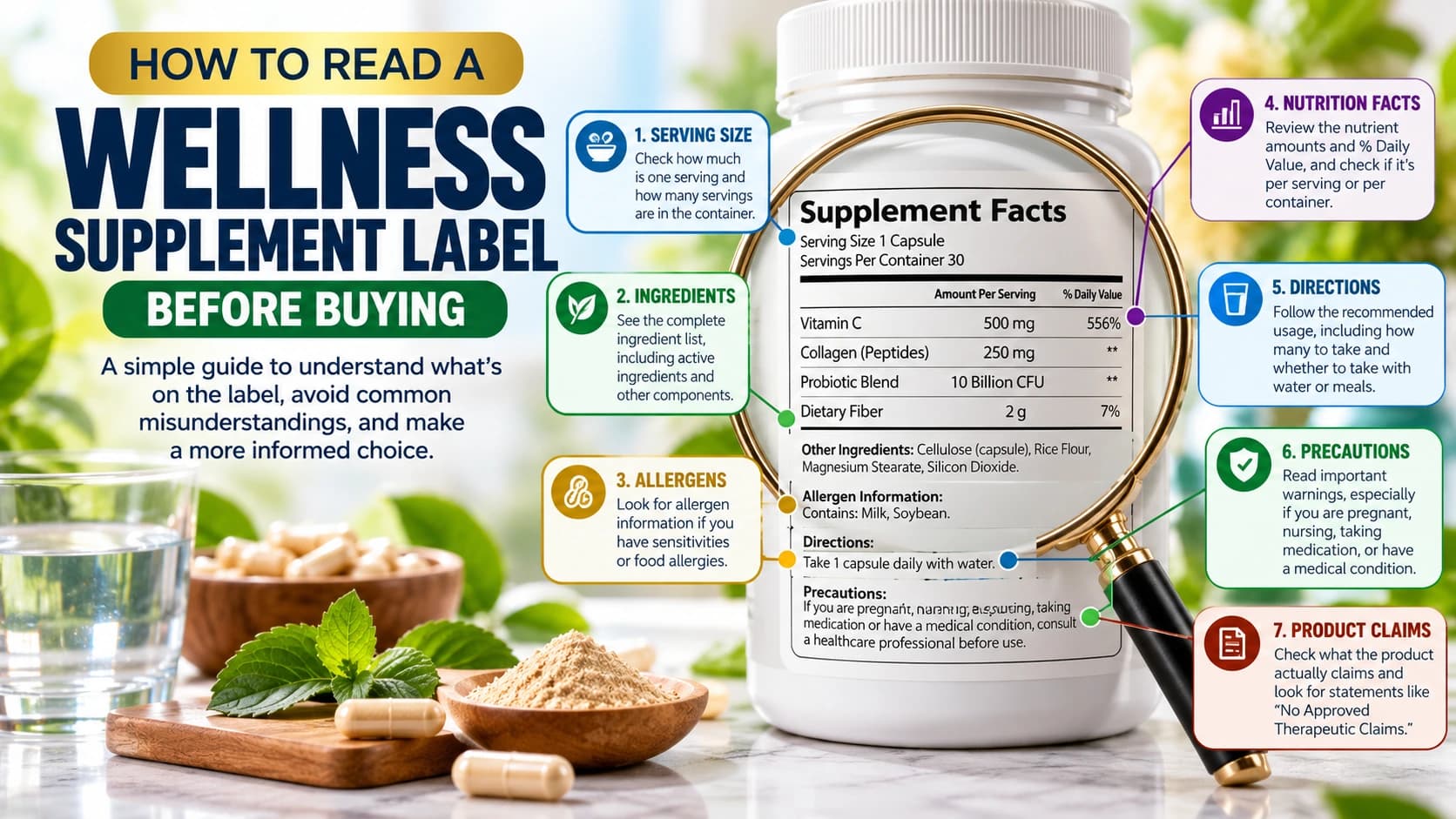
How to Read a Wellness Supplement Label Before Buying
Related products
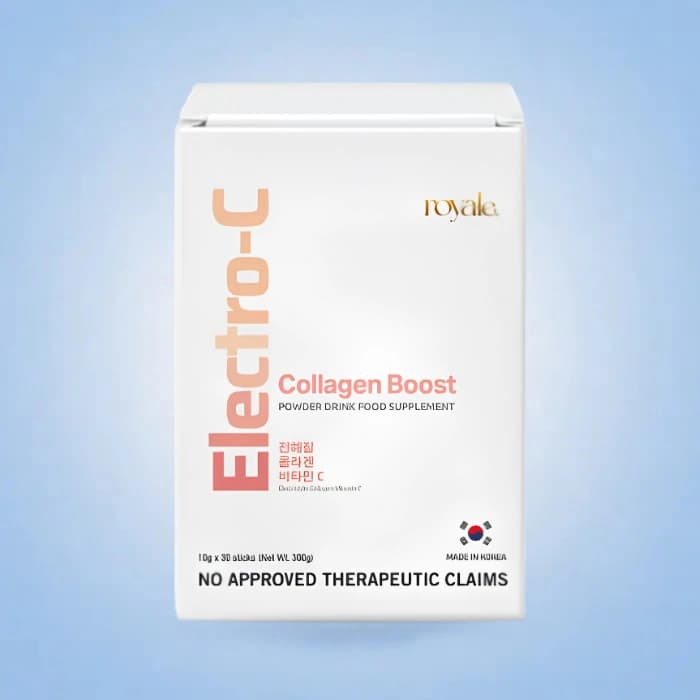
Royale Electro-C Collagen Boost
Powdered Drink Food Supplement
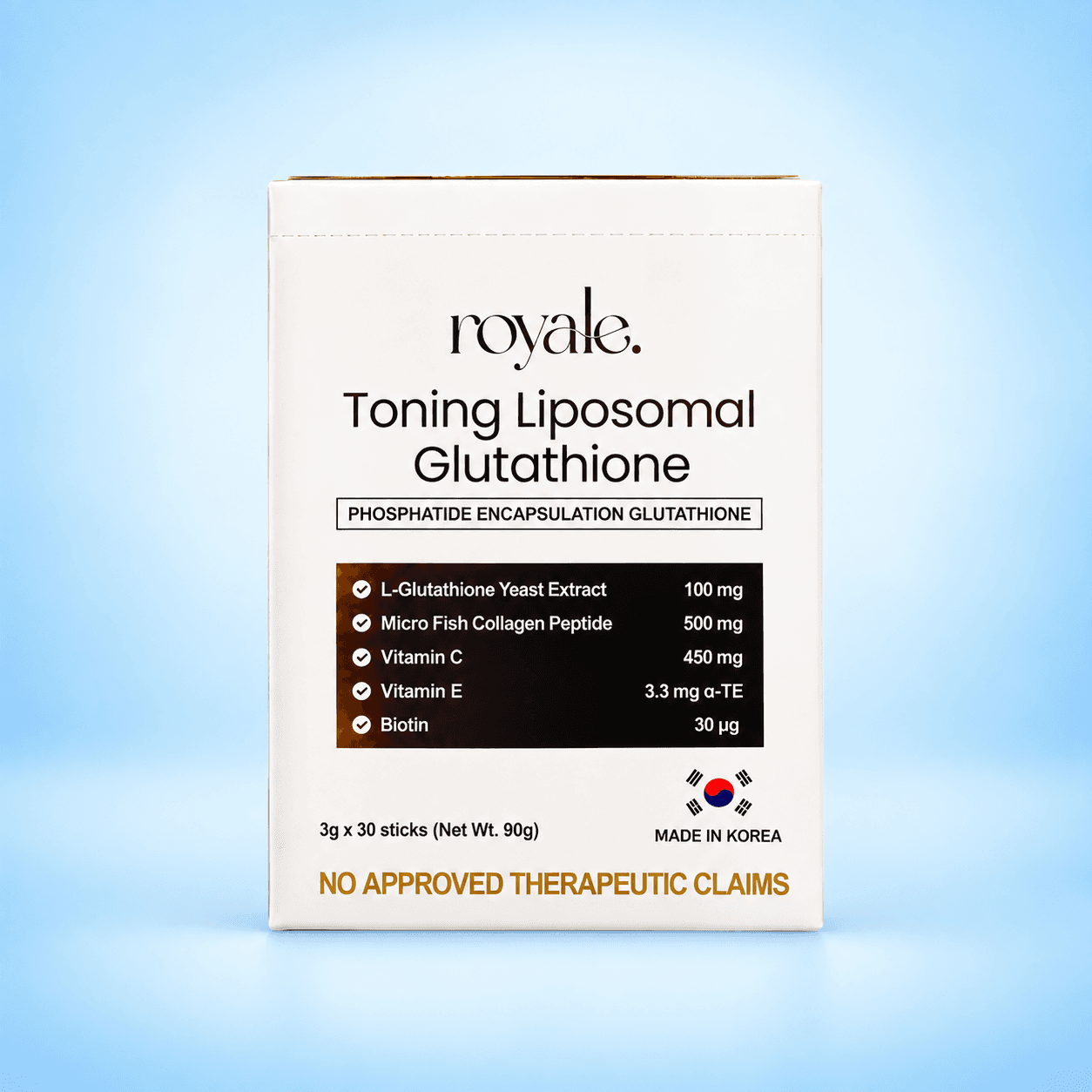
Royale Toning Liposomal Glutathione
Dietary Supplement

Royale Pure Organic Barley
Powdered barley drink mix