
Wellness Guide
How to Read a Wellness Supplement Label Before Buying
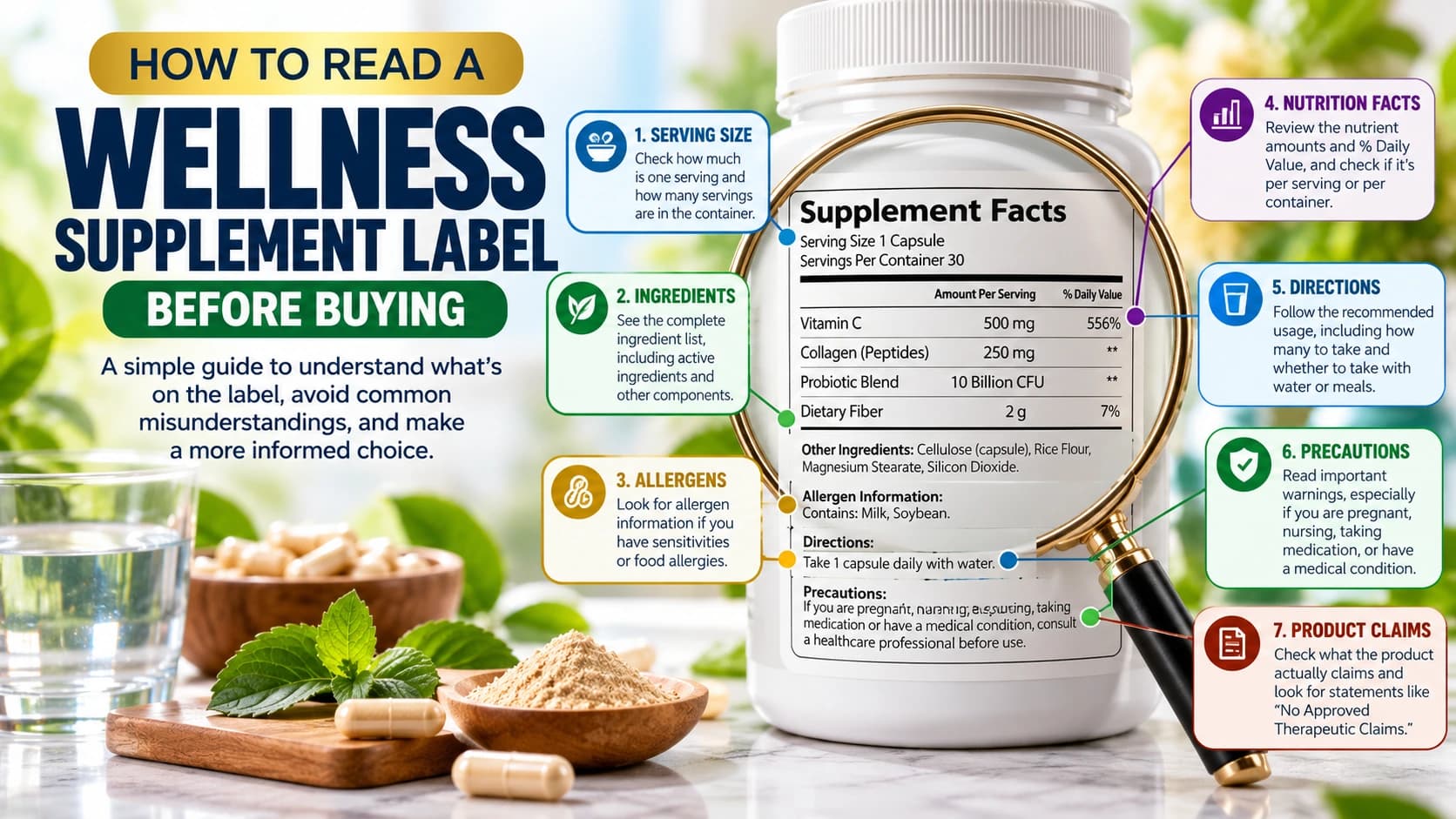
Start with serving size, then check ingredients, allergens, directions and precautions. This tells you what you are taking, how to prepare it and whether anything needs a closer look before purchase.
Two similar-looking sticks can work very differently: Royale Probiotics is taken directly, while Nutrifiber is mixed with water. Use the examples below to compare wellness supplements by the details that matter to your routine.
Wellness at a Glance
Before buying, check:
- Serving size
- Servings per container
- Ingredient list
- Amounts of highlighted ingredients
- Allergens
- Directions
- Precautions
- Storage
- Product claims
- Regulatory information
A large front-of-box claim should never replace the rest of the label.
1. Start With the Serving Size
Serving size changes the meaning of every number that follows.
A consumer may see:
Calories: 225
and assume that applies to one stick.
But if the serving size is actually 15 sticks, that interpretation would be wrong.
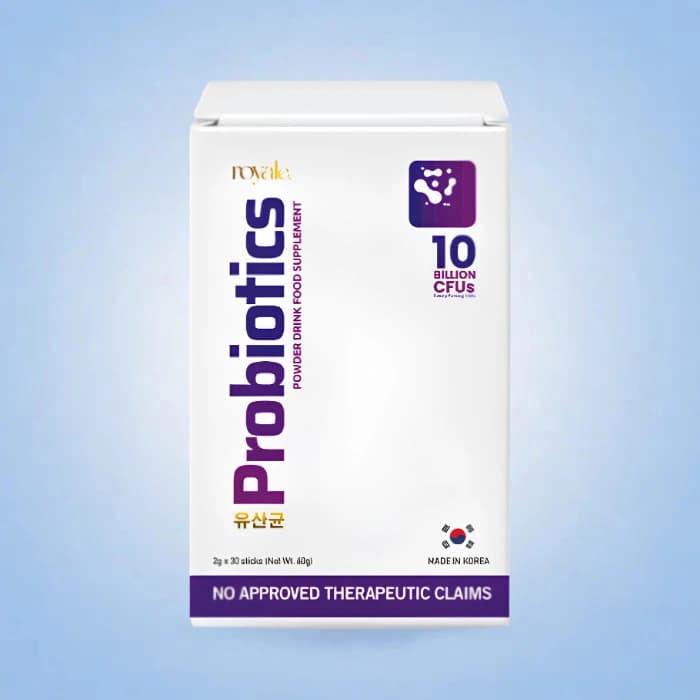
Royale Probiotics example
The package states:
- Serving size: 1 stick (2 g)
- Servings per container: 30
- Probiotics: 10 billion CFU per serving
Here, the CFU count clearly applies to one 2 g stick.
Nutrifiber example
The Nutrifiber nutrition panel states:
Serving size: 15 stick packets (75 g)
That is the entire box.
Therefore, the printed nutrition values should not automatically be treated as official per-stick nutrition facts.
Pure Organic Barley example
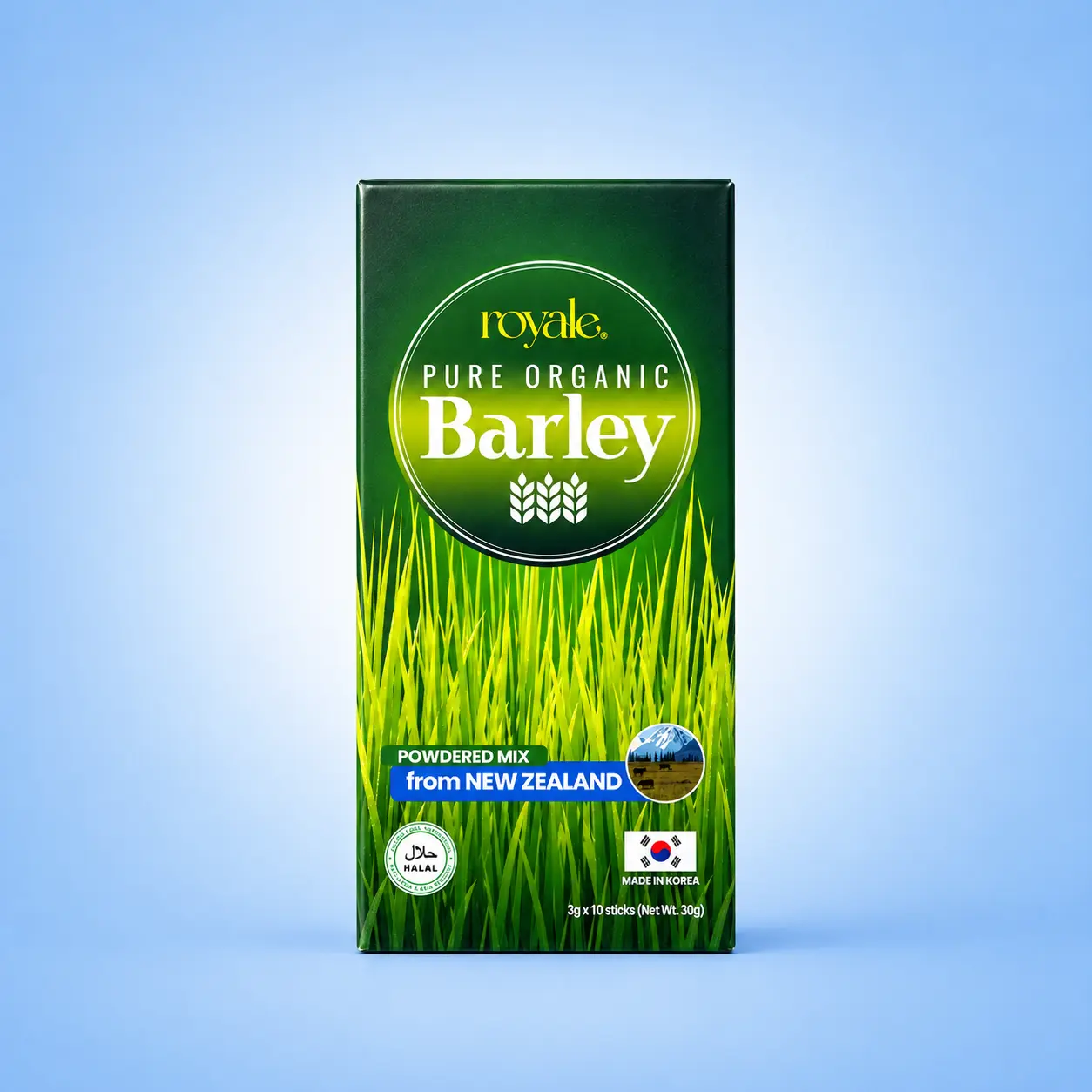
The documented nutrition panel for Pure Organic Barley uses a serving size of 10 sticks (30 g).
Again, this should not be silently converted into per-stick official nutrition values.
2. Check the Number of Servings
Serving size and servings per container are related but different.
A box may contain 30 sticks, yet a nutrition panel could still use a multi-stick serving.
Always check both fields.
This avoids mistakes such as:
- treating container values as per-serving values
- dividing manufacturer data and presenting calculations as official label facts
- comparing products using mismatched serving sizes
3. Compare the Front Claim With the Full Ingredient List
Read the front for the product focus, then check the ingredient panel for the full formula. Nutrifiber highlights “100% Psyllium Husk” on the front, while its ingredient list includes other fibers, sweeteners and flavoring. It is a multi-ingredient drink, rather than plain psyllium powder.
4. Look for Exact Ingredient Amounts
Some supplements provide exact amounts for highlighted ingredients. Others simply list ingredients without quantities.
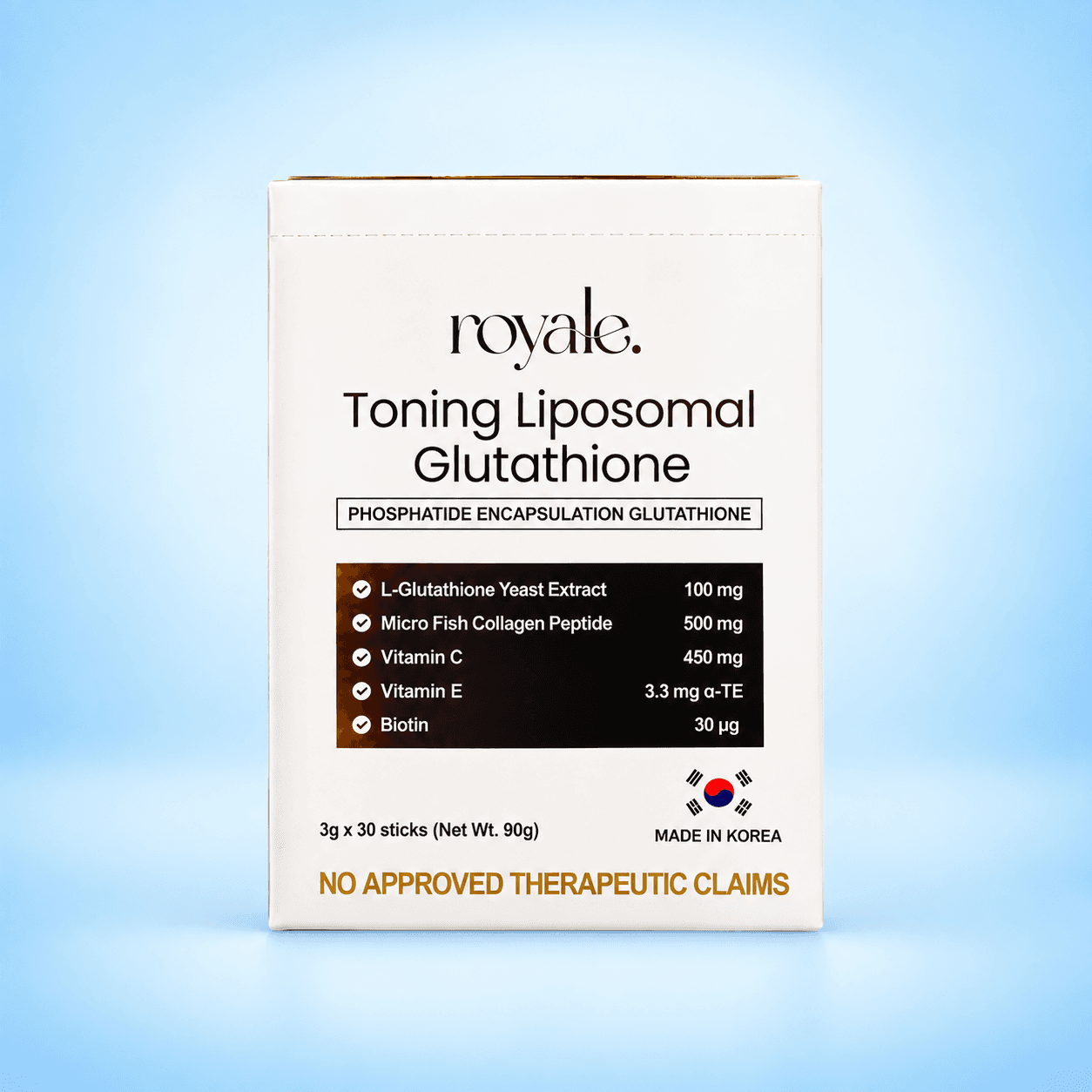
Toning Liposomal Glutathione
Documented quantities include:
- L-Glutathione Yeast Extract — 100 mg
- Micro Fish Collagen Peptide — 500 mg
- Vitamin C — 450 mg
- Vitamin E — 3.3 mg α-TE
- Biotin — 30 μg
These amounts can be reported because they are documented.
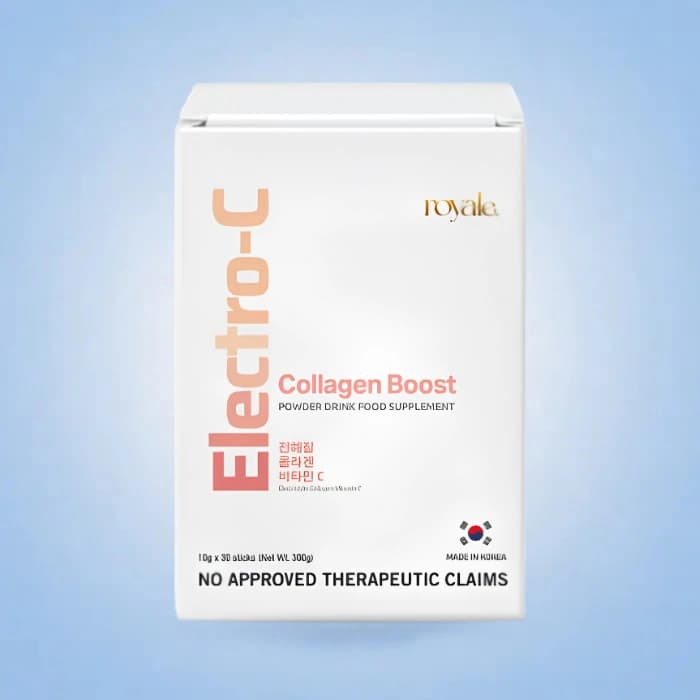
Electro-C
The package lists ingredients including:
- Fish Collagen Powder
- Vitamin C
- Taurine
- Potassium Citrate
- Trisodium Citrate
but per-stick amounts for those highlighted ingredients are not listed.
If an amount matters to you, ask Royale for it before buying. An ingredient name alone does not tell you how much is in a stick.
5. Read the Ingredient List in Order
Ingredient lists are usually presented in a required order under applicable labeling rules.
Do not rearrange the list to make trendy ingredients appear more prominent.
A product page can separately highlight key ingredients for readability, but the complete ingredient list should still preserve the order shown on the packaging.
This helps readers distinguish marketing emphasis from actual formula disclosure.
6. Check Allergens Before Benefits
A benefit claim can be irrelevant if a product contains an ingredient a buyer must avoid.
Royale Probiotics
The package lists:
Milk, Soybean
Electro-C
The package states:
Allergen: Peach
and the ingredient list includes Fish Collagen Powder.
Other products
Buyers should review every ingredient rather than assuming a “wellness” label means allergen-free.
For some consumers, the allergen section is one of the most important parts of the box.
7. Read the Directions Exactly
Products with similar stick packaging can have very different preparation instructions.
Electro-C
One stick mixed with 250–300 mL water.
Nutrifiber
One stick with approximately 200 mL water, plus a precaution to use sufficient water.
Royale Probiotics
One stick directly once daily.
Pure Organic Barley
One stick with 150 mL cold or warm water.
Royale Blend Coffee
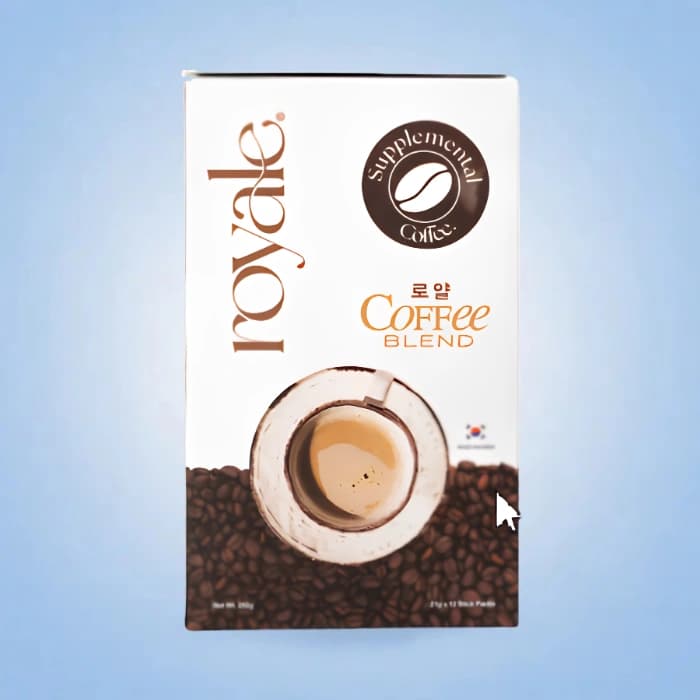
One packet with 100 mL hot water.
Follow the directions for the exact product you choose; similar stick packaging can have different preparation requirements.
8. Precautions Are Part of the Product Information
Precautions can include:
- age restrictions
- pregnancy/lactation restrictions
- allergy warnings
- medication guidance
- medical-condition guidance
- sufficient-water instructions
- adverse-reaction advice
These details should not be removed just to make a product page shorter or more promotional.
For health-related content, precautions often provide more decision value than a marketing slogan.
9. Check Storage Instructions
Storage can matter for product quality.
For example, Royale Probiotics instructs users to store the product away from:
- high temperature
- humidity
- direct sunlight
Other products may specify a maximum temperature.
Do not add refrigeration instructions unless the package or manufacturer actually provides them.
10. Understand “No Approved Therapeutic Claims”
The Philippine FDA has specifically warned that food or dietary supplements do not have approved therapeutic or curative effects simply because they are supplements.
FDA labeling rules have required the statement:
NO APPROVED THERAPEUTIC CLAIMS
on food/dietary supplement labels as a consumer warning.
That distinction matters for affiliate content.
A food supplement is not an approved medicine for purposes such as:
- treats constipation
- cures digestive disease
- prevents infection
- reverses aging
- treats dehydration
- replaces prescribed medication
Use prescribed treatment as directed, and seek professional advice about symptoms.
11. Regulatory Registration Is Product-Specific
One of the most common mistakes in brand-level content is saying:
“All products are FDA approved.”
Regulatory status should be checked product by product.
A certificate for one Royale product does not establish identical status for every item in the catalog.
Match any regulatory document to the exact product name, authorization type and validity period.
12. A Registration Is Not a Guarantee of Results
Regulatory registration or notification is not the same as a guarantee that a product will produce a particular individual outcome.
Similarly, a Halal mark, GMP mark, or packaging test statement should be described accurately without upgrading it into a broader clinical claim.
For example:
“Primary Irritation Test”
should not automatically become:
“independently clinically proven hypoallergenic.”
13. Large Numbers Need Context
Numbers feel authoritative, but they still need interpretation.
“10 Billion CFU”
Useful probiotic label information, but higher is not automatically better.
“SPF 50+”
Important sun-care information, but not equivalent to 100% UV protection.
“23% Vita Oil Complex”
Useful packaging information, but the exact component ingredients still need verification.
“500 mg collagen”
Useful only if the serving size and ingredient identity are also understood.
Numbers help when the reader knows what they measure.
14. Read Batch-Specific Information Correctly
Check your own package for its lot number, manufacturing date and expiry date. These details identify the batch you are buying; a date photographed on another box may differ.
15. Ask Where the Product Information Came From
When reading a product guide, look for the source behind each type of information:
Packaging information
What is printed on the product.
Official manufacturer information
Current official product materials.
General research
What scientific or government sources say about ingredients.
Affiliate/editorial interpretation
How the website explains the information.
Packaging describes the product; general research explains ingredients. Keep that distinction in mind when comparing benefits.
Practical Label-Reading Checklist
Before buying a wellness supplement, ask:
- What is one serving?
- How many servings are in the container?
- Are nutrition values per serving or per container?
- What is the complete ingredient list?
- Are amounts shown for highlighted ingredients?
- Are there allergens?
- What are the exact directions?
- What precautions apply?
- What storage conditions are required?
- What claims are actually printed on the package?
- Is a regulatory document specific to this product?
- Is the website making a stronger claim than the label?
Illustrative Example: Comparing Two Stick Supplements
Imagine two products that both come in individual sticks.
Product A
- one stick taken directly
- 10 billion CFU
- milk and soybean allergens
- storage away from heat and humidity
Product B
- one stick mixed with water
- fiber-focused formula
- sufficient-water precaution
- nutrition panel stated for multiple sticks
The packaging format looks similar, but the products have very different instructions and decision points.
This is why reading beyond the front panel matters.
From Label Check to Purchase
Use the product guide to compare ingredients, directions and precautions before opening the purchase link. Shop at Royale takes you to Royale’s purchasing platform for current price and availability; checkout happens there.
RoyaleProductsClub.com is an independent guide and may earn a commission from qualifying purchases. Read the affiliate disclosure for details.
Frequently Asked Questions
What is the first thing to check on a supplement label?
Start with the serving size because it determines how the nutrition and ingredient amounts should be interpreted.
Should I trust only the front of the box?
No. The ingredient panel, directions, precautions, allergens, and nutrition information often contain more useful details.
Can I calculate per-stick values myself?
You can calculate an estimate for personal comparison. Keep it separate from official label values, and ask the manufacturer for per-stick figures if you need confirmed amounts.
Does FDA registration mean a supplement is a medicine?
No. Food and dietary supplements are different from approved therapeutic drugs.
Are supplement ingredients proven just because research exists on them?
No. Ingredient research must be distinguished from evidence on the exact finished product.
Final Thoughts
A useful label check answers five questions: What is one serving? What is in it? Does it contain anything I need to avoid? How do I use it? What precautions apply?
Compare wellness products, then open the relevant product guide for its complete directions and ingredient information before continuing to Royale to shop.
Sources & Editorial Note
Check current packaging before use because product information can change. Nutrition values shown for multiple sticks remain on that stated basis.
Sources & references
Product-specific evidence
General research
General ingredient research does not establish the effects of a finished product.
Related guides

Royale Products Philippines: What to Know Before Buying
Are Royale Products FDA Approved? What Buyers Should Check
Probiotics vs Prebiotics vs Fiber: What’s the Difference?
Related products
Royale Probiotics
Powder Drink Food Supplement

Royale Nutrifiber
Powdered Dietary-Fiber Drink
Royale Electro-C Collagen Boost
Powdered Drink Food Supplement
Royale Pure Organic Barley
Powdered barley drink mix
Royale Toning Liposomal Glutathione
Dietary Supplement
Royale Blend Coffee
Instant Coffee Blend