
Wellness Guide
Probiotics vs Prebiotics vs Fiber: What’s the Difference?
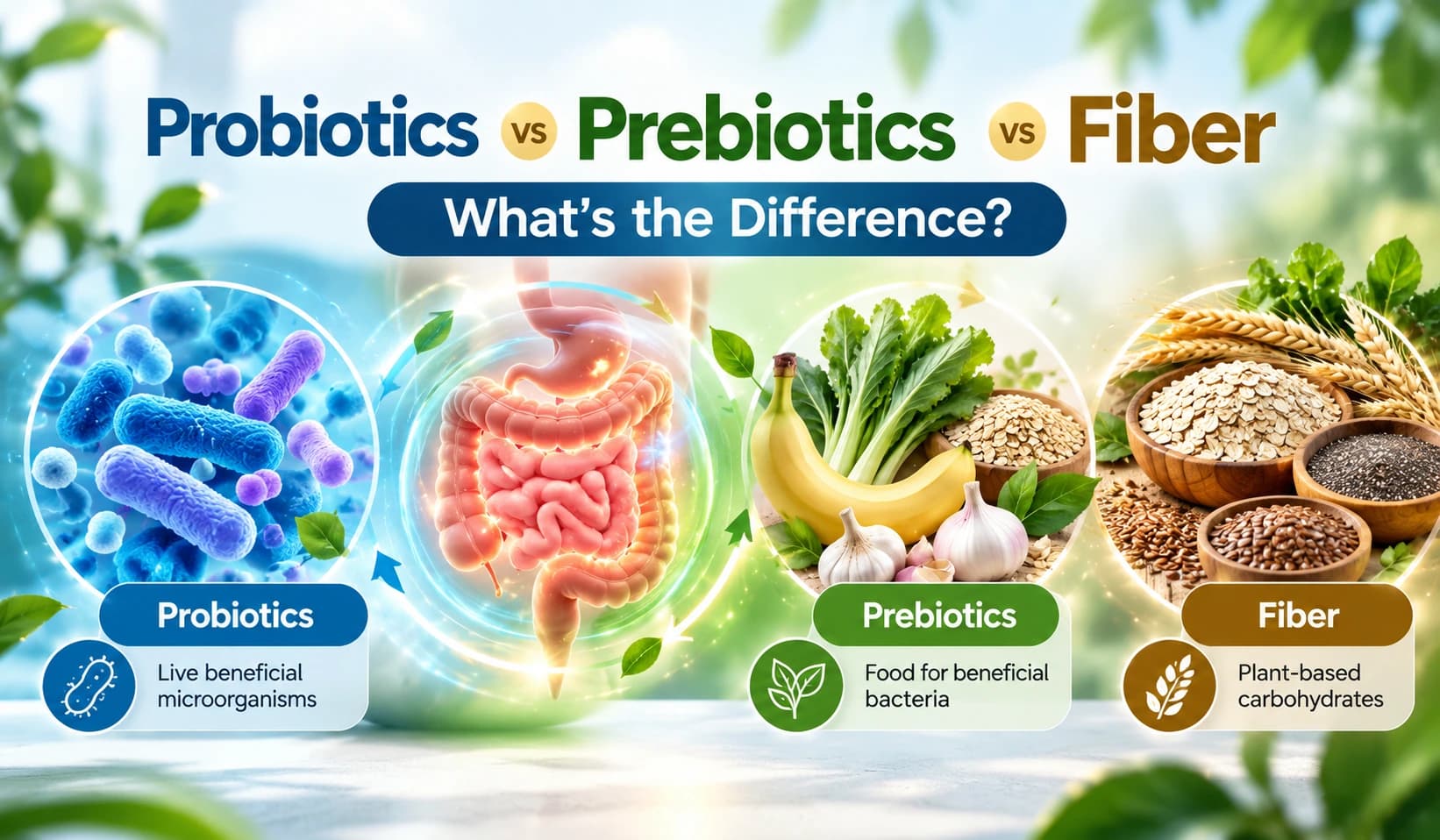
Probiotics are live microorganisms; prebiotics are substances selected microorganisms use; dietary fiber is a broader group of food components with different digestive roles. Some fibers have prebiotic properties, so the categories can overlap.
For a practical comparison, Royale Probiotics offers a direct-take probiotic stick, while Nutrifiber is a fiber-focused powder mixed with water. Start with the type of product you want, then compare its ingredients, directions and precautions in the wellness collection.
Wellness at a Glance
- Probiotics are live microorganisms used in certain foods and supplements.
- Prebiotics are substrates that selected microorganisms can use.
- Dietary fiber is a broader nutrition category with different physical and physiological properties.
- Some ingredients can overlap with more than one wellness conversation, but the terms should not be treated as synonyms.
- Product-specific benefits depend on the actual formulation, amount, directions, and evidence—not only the category name.
What Are Probiotics?
The NIH Office of Dietary Supplements describes probiotics as live microorganisms that can provide health benefits when consumed in adequate amounts. Probiotic products may contain bacteria from groups such as Bifidobacterium, Bacillus, Enterococcus, and members of the Lactobacillaceae family.
A probiotic label can include several pieces of information:
- genus
- species
- strain designation, when listed
- CFU count
- serving size
- storage instructions
- allergen information
These details matter because probiotic effects can be strain-specific. Research involving one strain should not automatically be applied to every other strain or product containing the same species.
Example: Royale Probiotics
Royale Probiotics lists several probiotic species and states a total of 10 billion CFU per 2 g serving. However, the package does not show individual CFU amounts for each species or alphanumeric strain identifiers.
That means it would be inaccurate to claim that each listed species contributes an equal share of the total CFU count or that research on one named strain proves a specific outcome for the finished Royale product.
What Are Prebiotics?
Prebiotics are different from probiotics because they are not live microorganisms. They are substrates selectively used by microorganisms in the body.
Certain nondigestible carbohydrates are commonly discussed in prebiotic formulations. Examples include fructooligosaccharides, often abbreviated as FOS, and inulin-type ingredients.
Royale Probiotics lists ingredients such as:
- chicory root extract powder
- fructooligosaccharide powder
- isomaltooligosaccharide
The formula combines a probiotic blend with these additional ingredients. Individual amounts are not stated, so check the full label if a particular prebiotic serving is important to you.
What Is Dietary Fiber?
Dietary fiber is a broader category. Different fibers can vary substantially in:
- water-holding capacity
- viscosity
- fermentability
- solubility
- physical behavior in the digestive tract
This is why the word fiber alone does not tell a buyer exactly how a product behaves.
Psyllium is a useful example. It absorbs liquid and expands, which is why general psyllium guidance emphasizes adequate fluid intake. That is directly relevant when interpreting a psyllium-based product label.
Example: Royale Nutrifiber
Royale Nutrifiber prominently features Psyllium Husk Dietary Fiber. Its packaging instructs users to mix the product with approximately 200 mL of water and separately states that it should be taken with sufficient water.
Nutrifiber also lists other ingredients, including:
- indigestible maltodextrin
- fructooligosaccharide
- oat fiber
So it is more accurate to describe Nutrifiber as a multi-ingredient fiber-focused drink rather than a simple plain-psyllium powder.
Probiotic vs Prebiotic vs Fiber at a Glance
| Category | What it generally refers to | Useful label details |
|---|---|---|
| Probiotic | Live microorganisms | Species, strain, CFU, serving, storage |
| Prebiotic | Substrate used by selected microorganisms | Ingredient type, amount if stated, serving |
| Dietary fiber | Nondigestible carbohydrates with varying properties | Fiber source, serving, preparation, water guidance |
The table is intentionally general. A finished product can contain more than one of these categories.
Practical Example: Two Different Gut-Wellness Goals
Imagine two adults comparing wellness products.
Person A: Looking for a probiotic format
This buyer wants to understand:
- which microorganisms are listed
- how many CFUs are in a serving
- whether strain codes are provided
- whether the product contains allergens
- how it should be stored
A product such as Royale Probiotics may be relevant to that comparison.
Person B: Looking for a fiber-focused drink
This buyer is more interested in:
- the type of fiber
- preparation instructions
- how much water is required
- the full ingredient list
- precautions related to fiber use
A product such as Royale Nutrifiber may fit that search intent more closely.
Neither product is automatically “better.” They serve different product categories and should be judged against different label questions.
Can One Product Contain Probiotics and Prebiotic Ingredients?
Yes. A product can contain live microorganisms plus ingredients commonly used in prebiotic formulations.
Synbiotic is a more specific scientific term. A product containing both categories is not necessarily a verified synbiotic; for shopping, the ingredient list and stated amounts are the useful details to compare.
Is Fiber Always a Prebiotic?
No.
Some fibers can be fermented by intestinal microorganisms, while others have different primary physical properties. “Fiber” and “prebiotic” should not be used as interchangeable words.
This distinction is important because a buyer might otherwise assume that every gram of dietary fiber has the same effect on the microbiome.
Are Probiotics Better Than Fiber?
There is no universal ranking such as:
probiotic > prebiotic > fiber
or the reverse.
A better decision depends on:
- the buyer's goal
- current diet
- product formulation
- preparation requirements
- allergies
- medications or medical conditions
- directions and precautions
- quality of the supporting evidence
For some people, improving normal food-based fiber intake may be the first practical step. Others may be specifically comparing probiotic supplements. These are different decisions.
Food Still Matters
Gut-wellness products exist alongside normal food choices.
Everyday food sources of fiber can include:
- oats
- beans
- lentils
- fruit
- vegetables
- seeds
- whole grains
Fermented foods may also contain microorganisms, although not every fermented food meets the scientific definition of a probiotic product with demonstrated health benefits.
A supplement should not be treated as a replacement for a balanced eating pattern.
What Should Buyers Look for on a Probiotic Label?
When comparing probiotic products, check:
- Serving size — How much is one dose?
- CFU count — Is the total clearly stated?
- Microorganisms — Are genus and species identified?
- Strain codes — Are they provided?
- Storage — Does the product require special conditions?
- Allergens — Are milk, soy, or other allergens listed?
- Directions — Is it taken directly, mixed, or swallowed?
- Precautions — Does the package mention health conditions or medication use?
What Should Buyers Look for on a Fiber Label?
For a fiber-focused product, check:
- the main fiber source
- whether other fibers are included
- serving size
- preparation directions
- required fluid amount
- sweeteners and flavoring
- age or pregnancy restrictions
- whether the nutrition panel is per serving, per stick, or per container
These details can prevent misunderstandings that arise from reading only the front panel.
When to Be More Cautious
General probiotic safety information suggests that risk may be different for people with serious illnesses or compromised immune systems. Psyllium-containing products also require careful attention to fluid intake and may not be appropriate in every situation.
People with significant gastrointestinal symptoms, swallowing problems, medical conditions, or medication concerns should not rely on an article or supplement label alone for personalized guidance.
Frequently Asked Questions
Are probiotics and prebiotics the same thing?
No. Probiotics are live microorganisms, while prebiotics are substrates used by selected microorganisms.
Is dietary fiber the same as a prebiotic?
Not necessarily. Some fibers have prebiotic properties, but dietary fiber is a broader category.
Can a product contain both probiotics and prebiotic ingredients?
Yes, but the presence of both does not automatically mean the product should be described as a scientifically established synbiotic.
Does a higher probiotic CFU count mean a better product?
Not automatically. Strain identity, formulation, storage, serving size, and evidence also matter.
Why does psyllium need water?
Psyllium absorbs liquid and expands. Adequate fluid intake is therefore an important part of general psyllium use and product-specific directions.
Final Thoughts
Choose by purpose and preparation: probiotic products provide live microorganisms, while fiber products focus on dietary fiber. Fiber-rich foods such as oats, beans, fruit and vegetables remain a useful starting point.
View Royale Probiotics for a direct-take format, or explore Nutrifiber for its water-mixed fiber blend. Compare each label separately; you do not need both simply because they relate to gut wellness.
Sources & Editorial Note
General ingredient research explains these categories; it is not clinical evidence for a finished Royale formula.
Sources & references
Product-specific evidence
General research
General ingredient research does not establish the effects of a finished product.
Related guides

Everyday Wellness Routines: Simple Habits for Daily Life

Gut Health and Daily Fiber: A Beginner-Friendly Guide
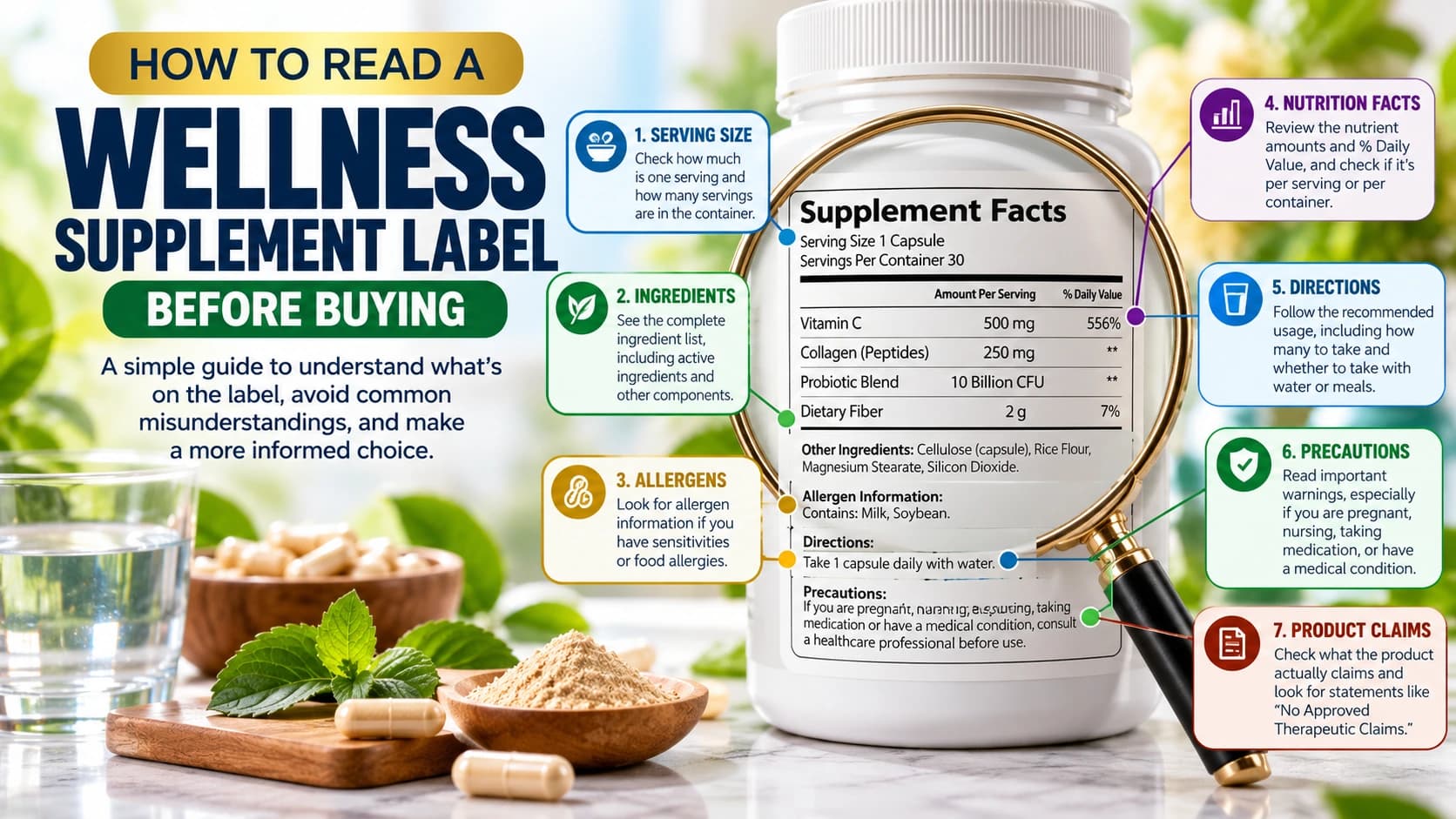
How to Read a Wellness Supplement Label Before Buying
Related products
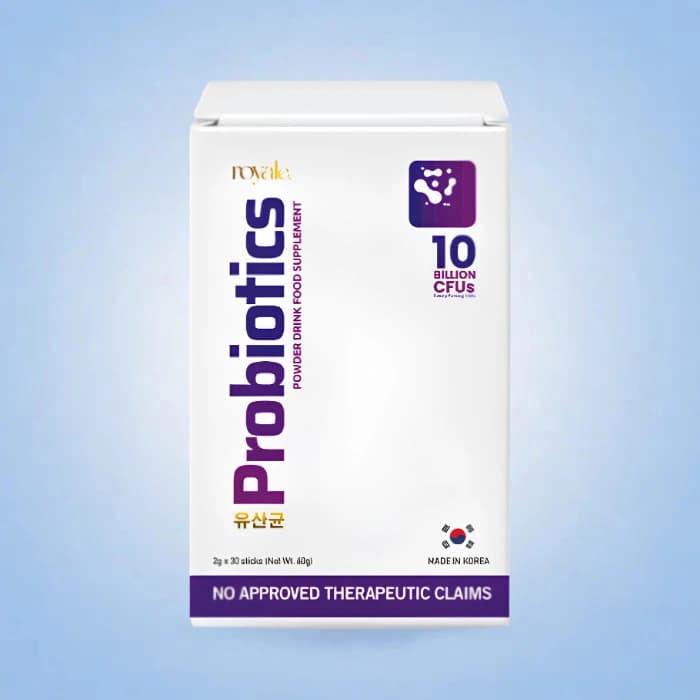
Royale Probiotics
Powder Drink Food Supplement
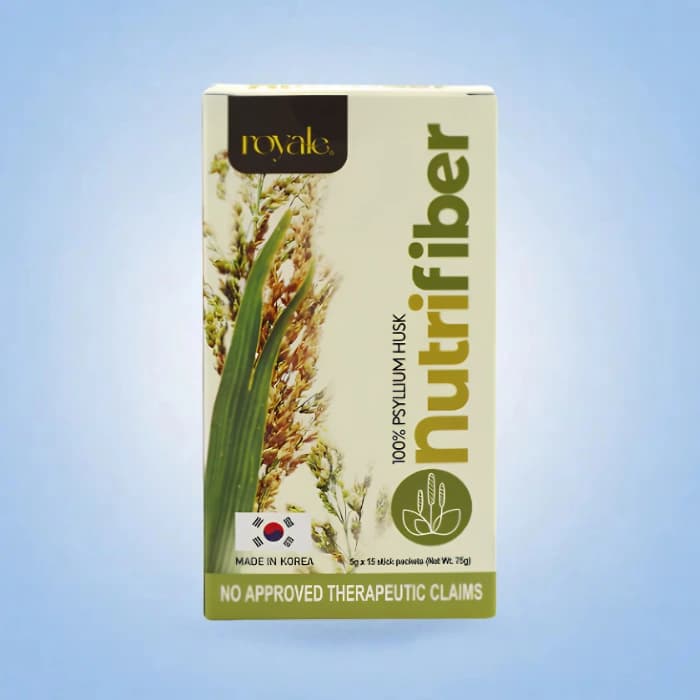
Royale Nutrifiber
Powdered Dietary-Fiber Drink
Royale Pure Organic Barley
Powdered barley drink mix